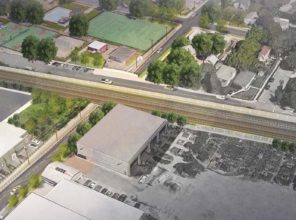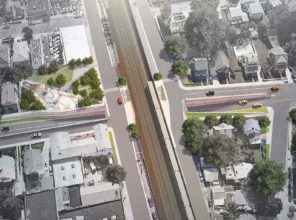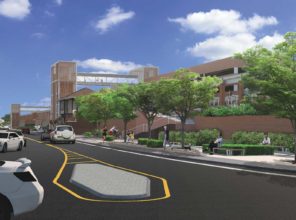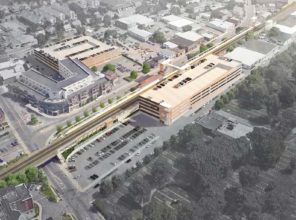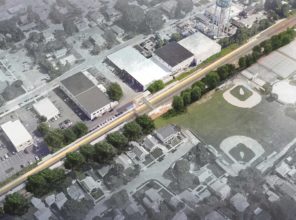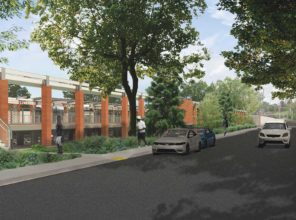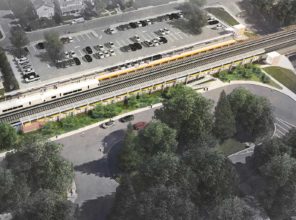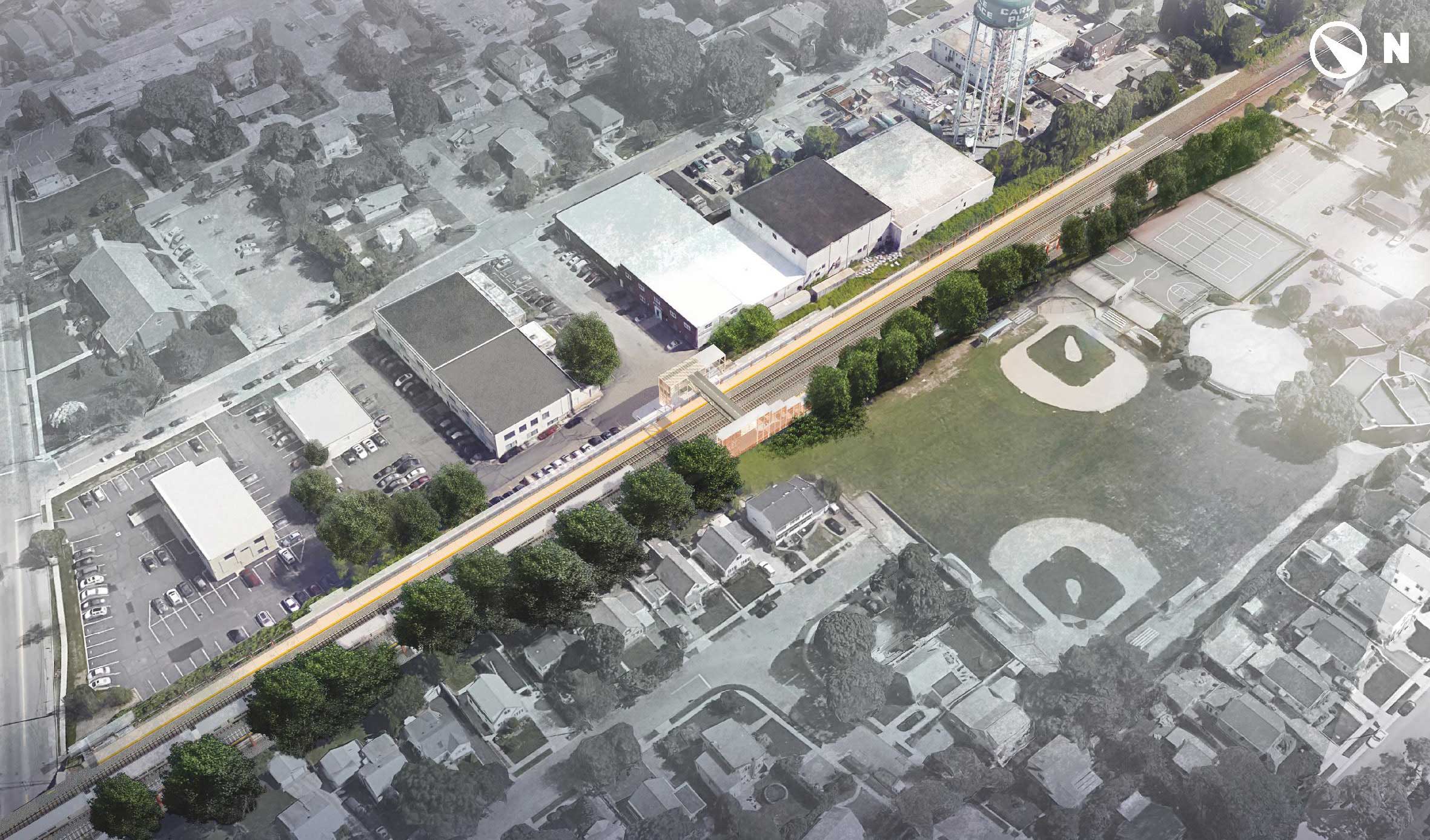
Residents and commuters along the Main Line corridor have long sought a mass transit solution to reduce road congestion, improve safety and provide an appealing alternative to driving – all with minimal disruption to existing train services and without residential property takings.
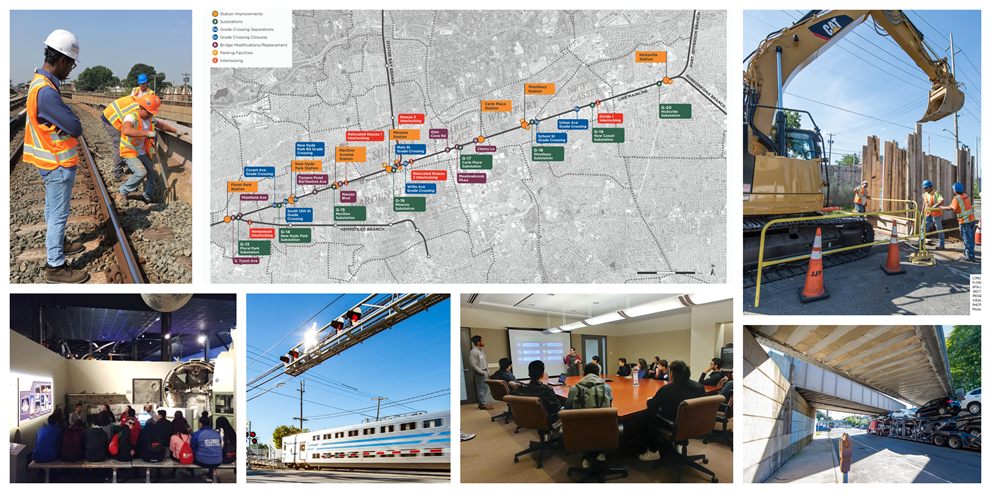
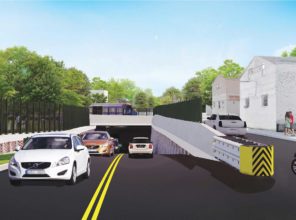
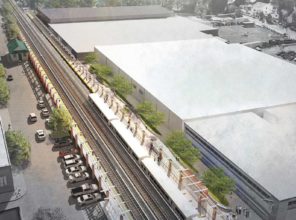
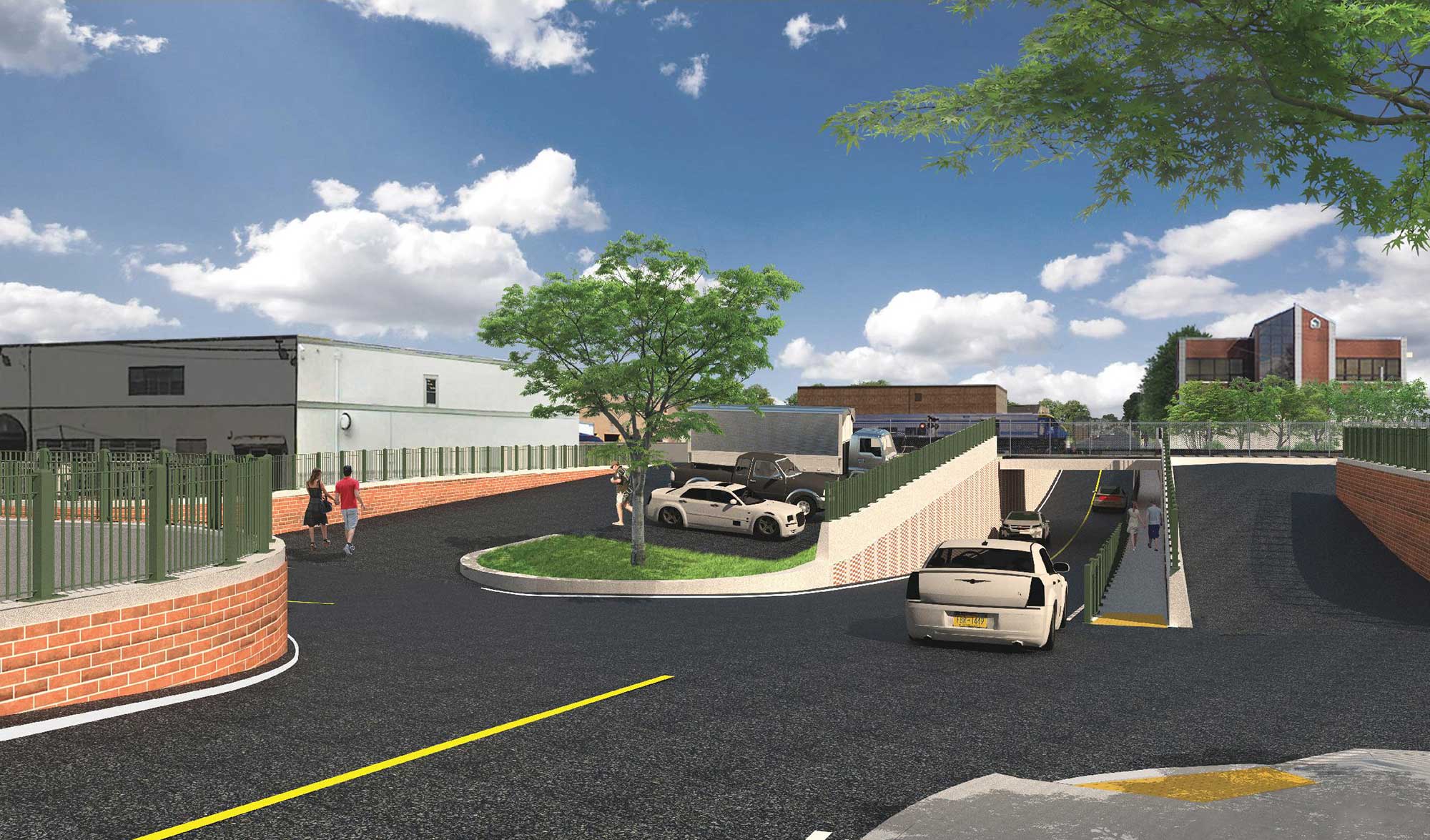
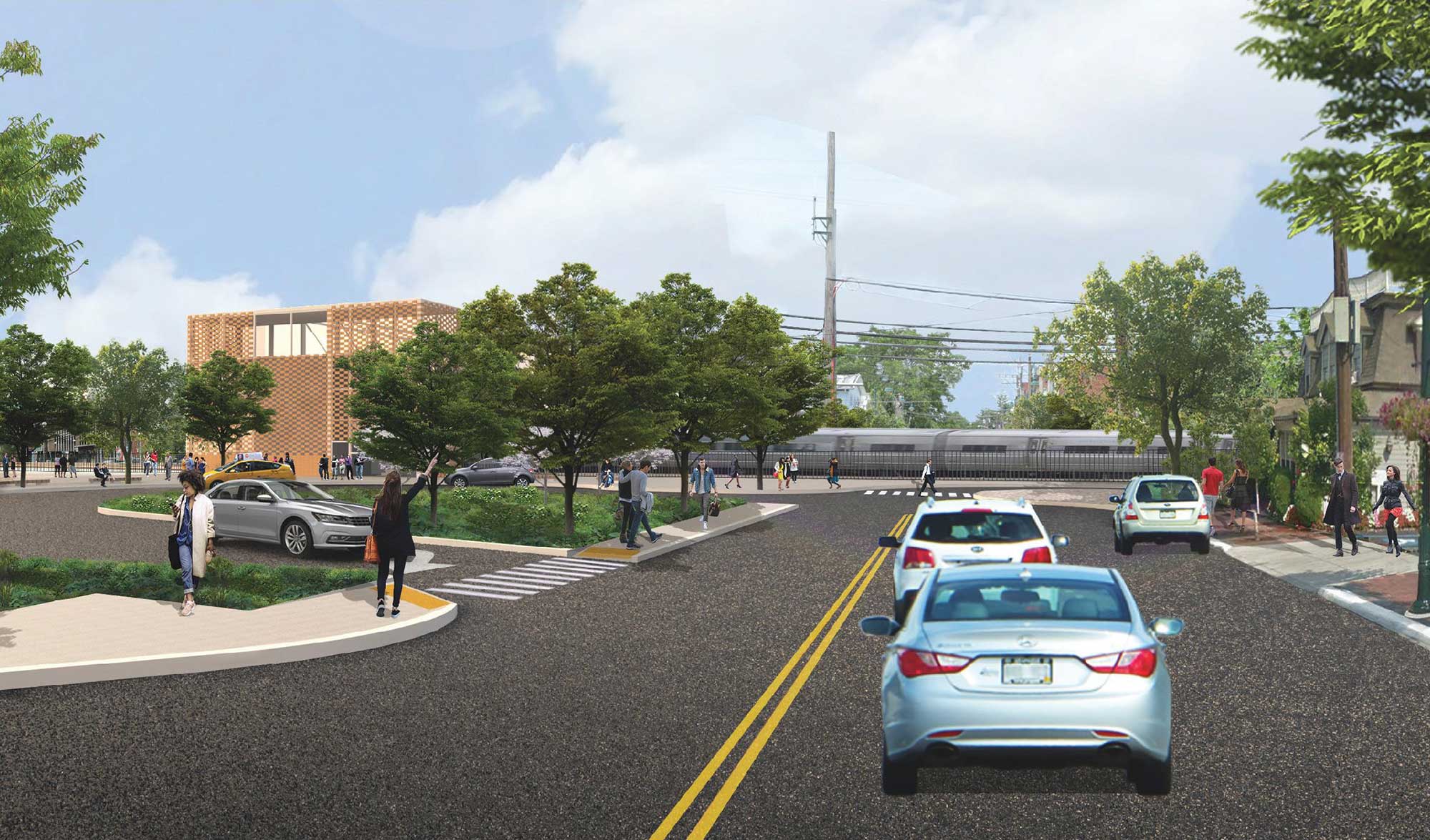
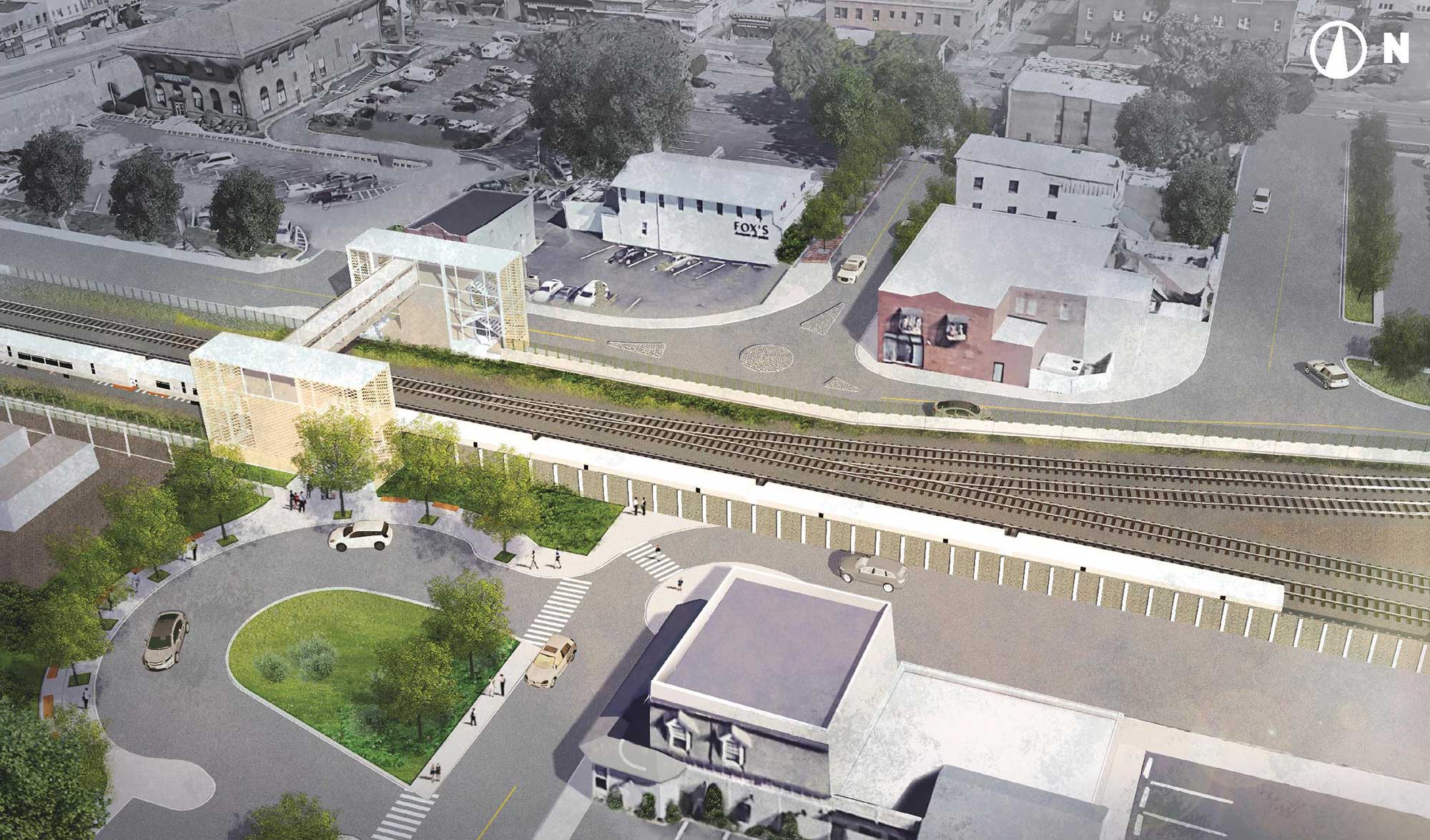
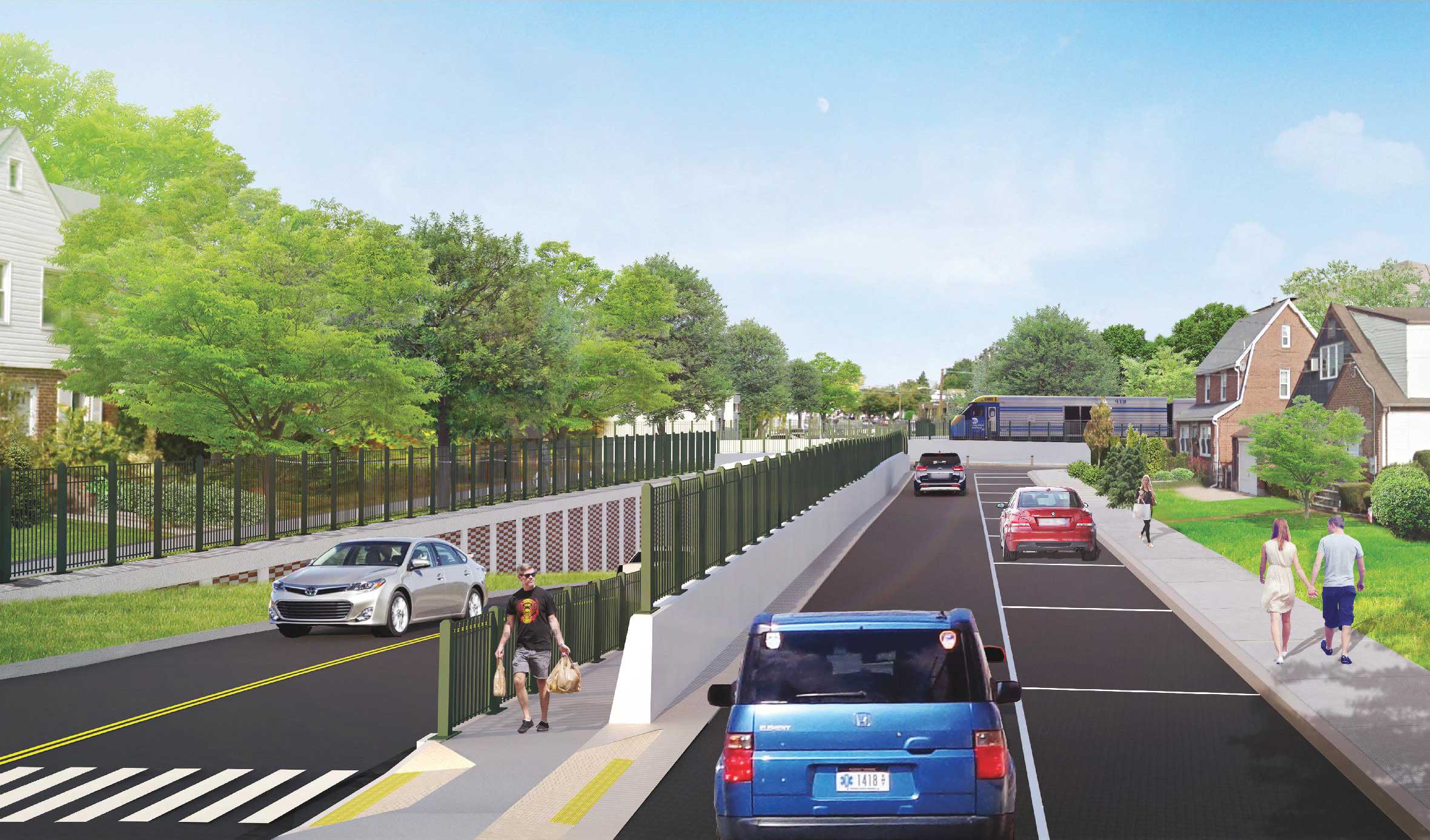
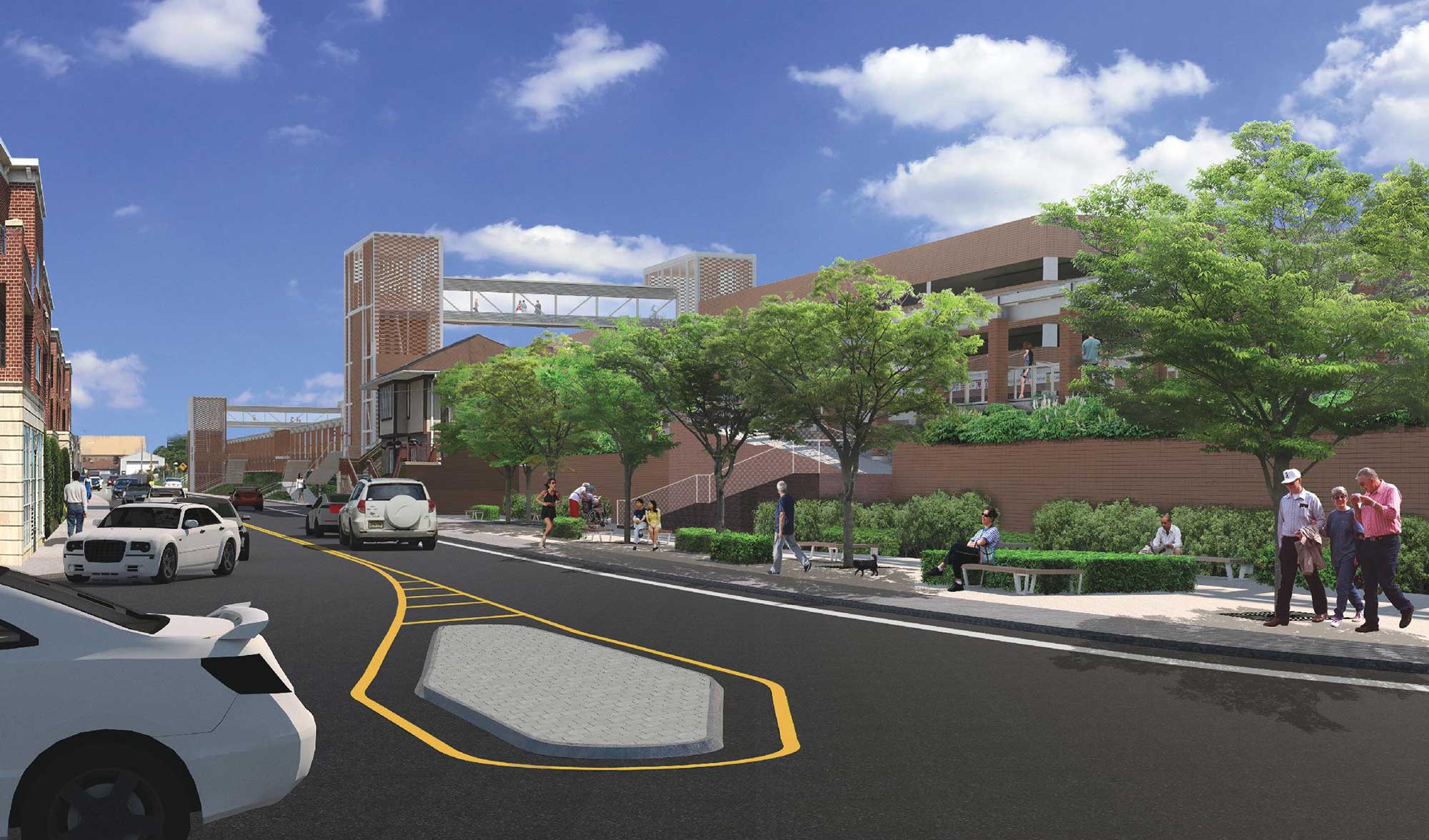
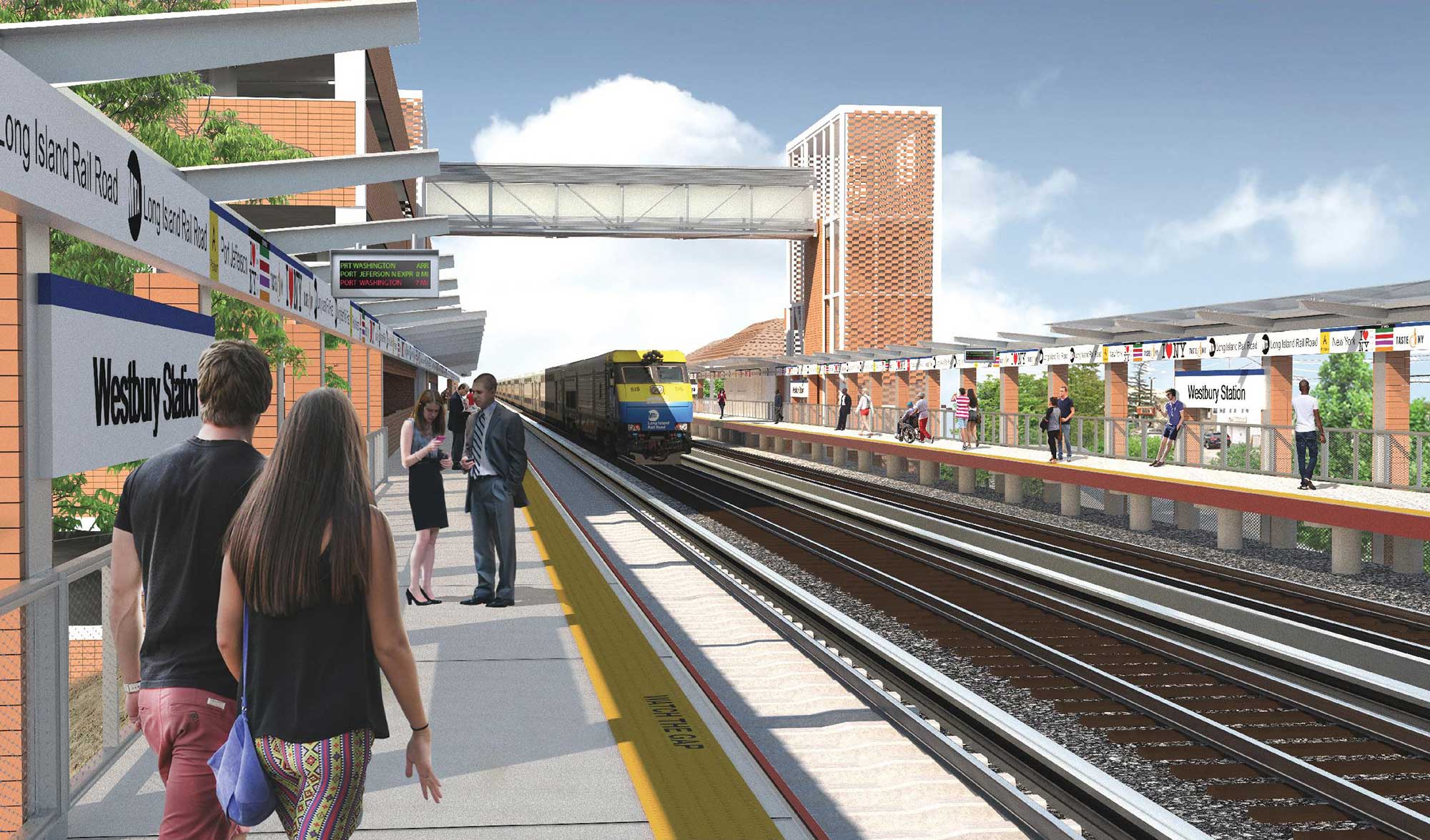
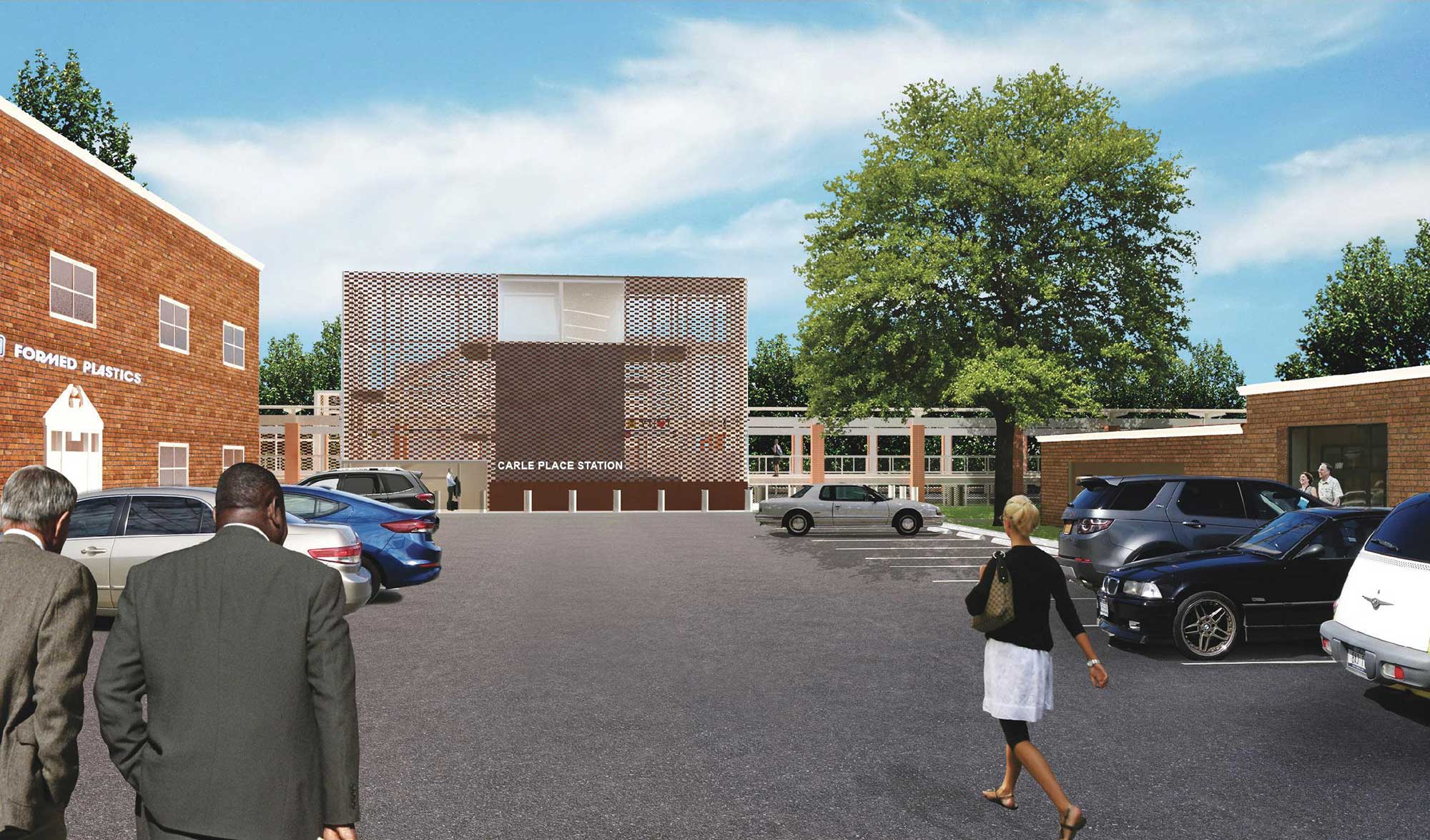
The construction of a third track from Floral Park to Hicksville will reduce train congestion and delays and enable true bi-directional service during peak hours with a more reliable rail network. This transformative work includes several related projects, including the construction of up to five parking garages, retaining walls, improvements to rail bridges and the removal of seven street-level grade crossings.
Construction will be handled in a way to minimize the impact on daily routines, with extensive mitigation and public outreach efforts being planned in conjunction with local communities.
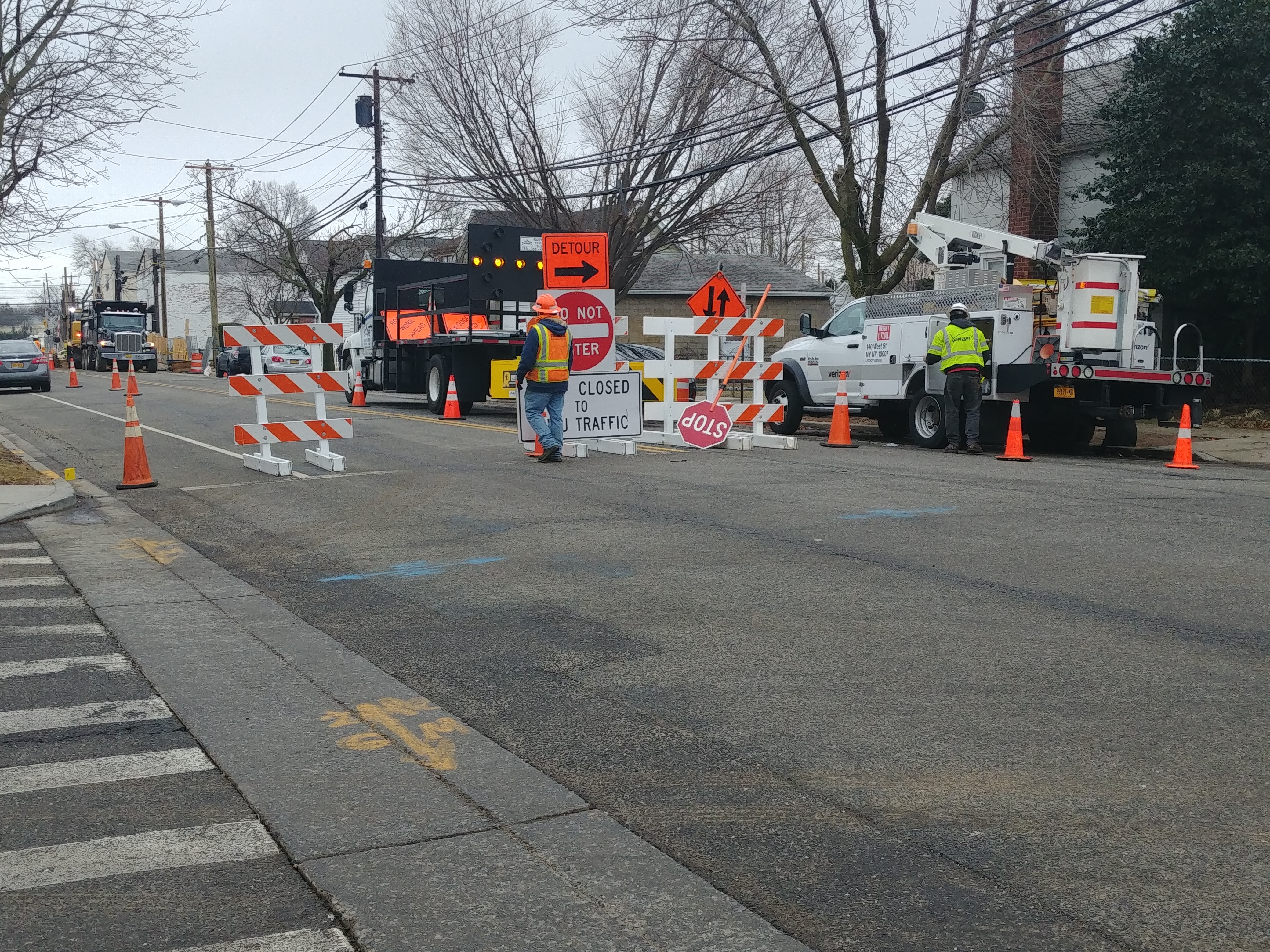
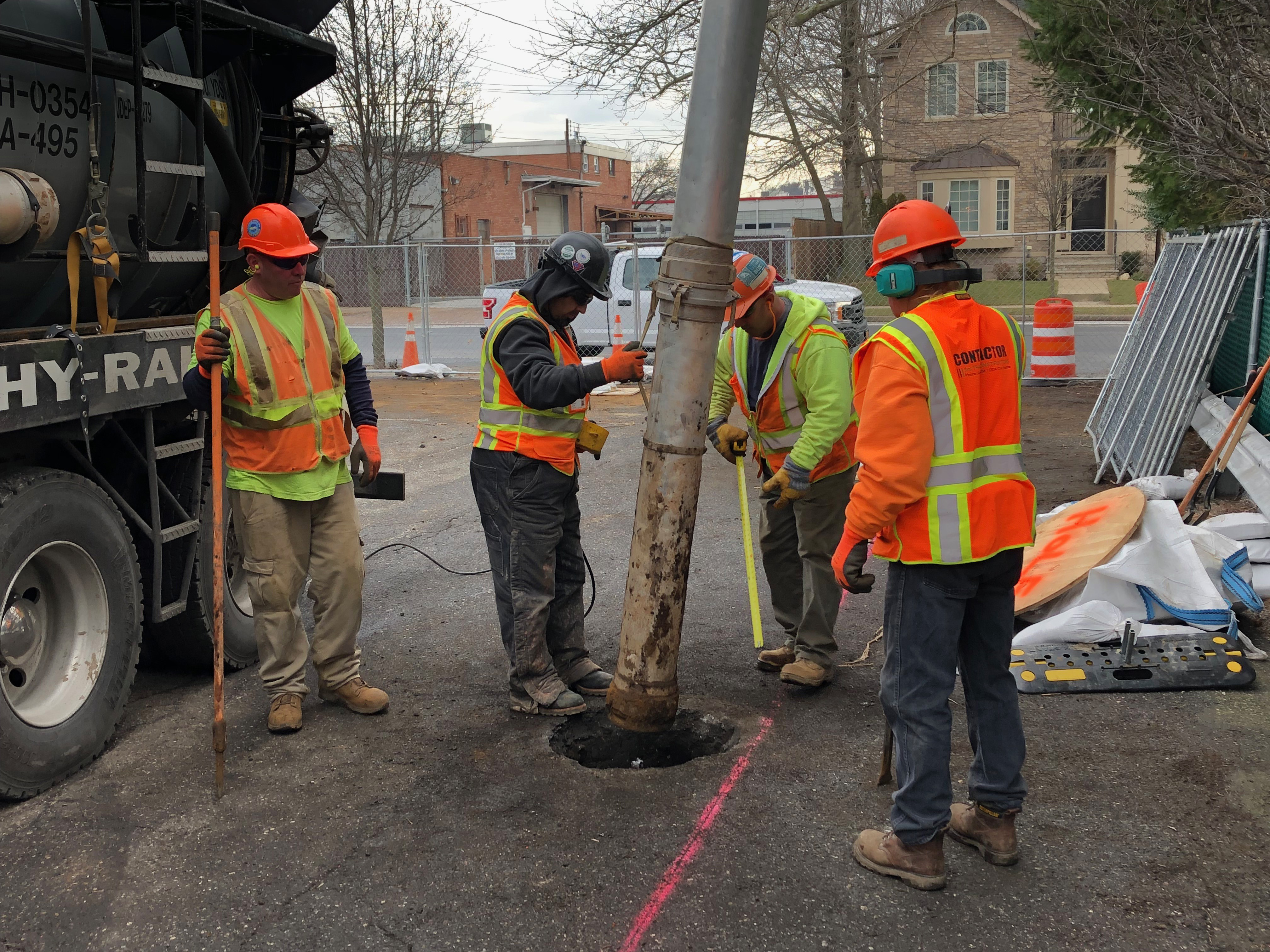
Beginning in January 2018, the contractors will complete design, surveying, mobilization, utility relocations, and other early construction activities. Ongoing community outreach efforts will also be included in this phase, such as developing clear communications protocols, opening a public information office, continuing coordination with local elected officials, and soliciting input on the aesthetics of components such as stations and sound walls. Substantial construction is expected to begin in late 2018. The overall project is expected to be completed by late 2022.
In September 2018, Governor Cuomo led ground breaking efforts for the expansion project at Urban Avenue in Westbury, the first of seven street-level grade crossings to be eliminated, and one of 50 projects included in the modernization effort. The Governor was joined by senior officials from the MTA and LIRR as well as Nassau and Suffolk County Executives. Other work to begin this fall 2018 includes station renovation, bridge modification and new parking facility construction.
Design-Build Solution: Design and construction will be contracted out to a single private sector team, resulting in significant savings in time and cost.
Reward Innovation: Selection of teams will reward innovation in minimizing community impacts and accelerating construction timetables.
Accountability: Construction team will be held accountable for project timelines with severe penalties for delays.
Governor Cuomo has promised an unprecedented community outreach program as part of the project. Over the past two years, MTA and LIRR officials have met consistently and frequently with local elected officials, civic leaders, business owners and residents to discuss the project and elicit feedback.
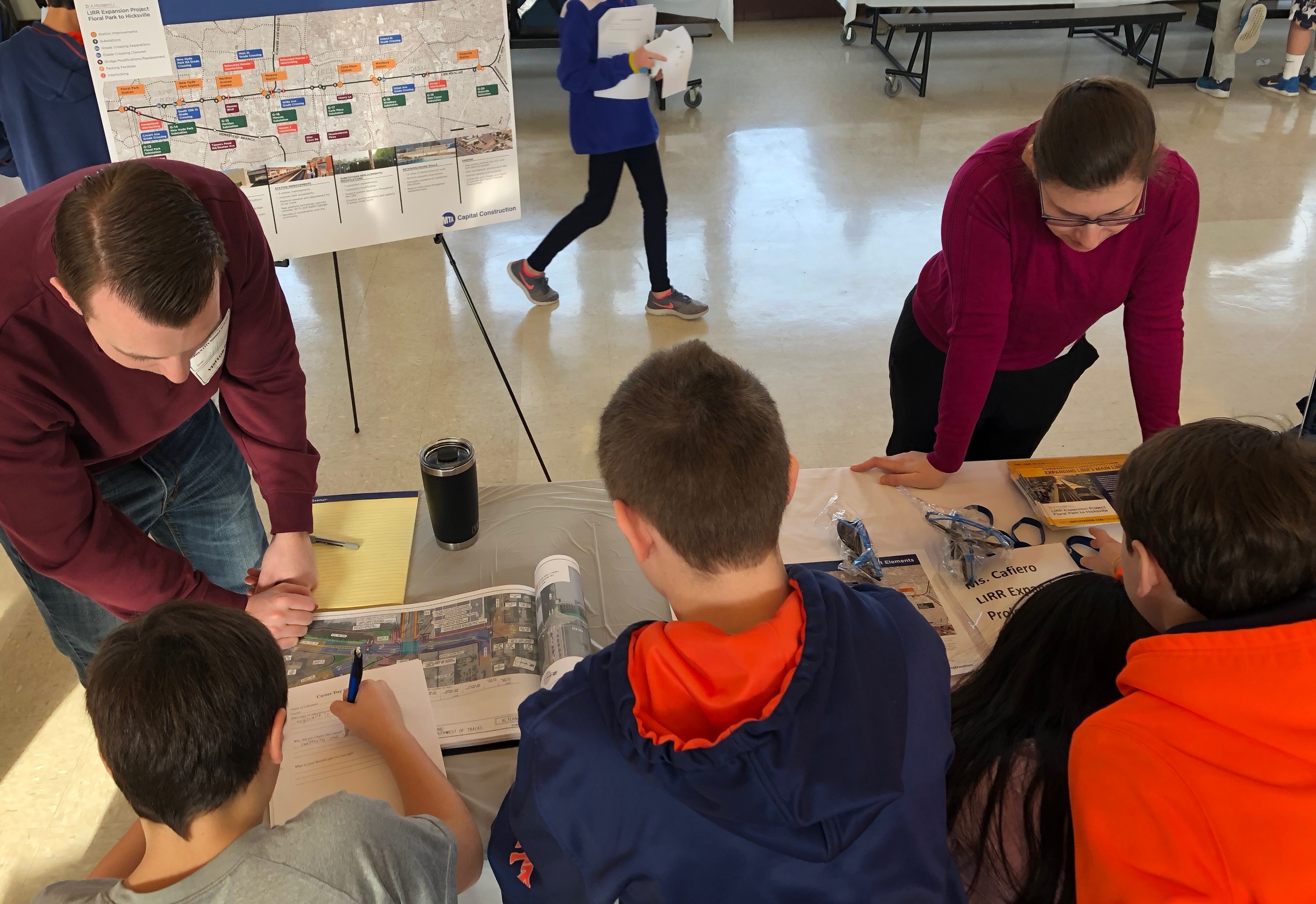
STEM Competition: The first LIRR Expansion Project STEM Competition is now underway. Registration is required by February 28, 2019. Submissions are due April 15, 2019. Students in grades 6 through 12 at select schools can compete with a poster design or video submission in response to a challenge topic. Submissions will be judged based on grade level. Find out more here.
Draft Environmental Impact Statement Public Hearings: A total of six public hearings were held from January 17, 2017, to January 19, 2017, to provide opportunities for the public to comment on the Draft EIS.
Ongoing Stakeholder Meetings: In addition to the large public meetings held during both the scoping period and DEIS comment period, the project team has met with many stakeholders individually and in groups to focus on specific issues and understand localized concerns. Such meetings have included property owners’ associations, individual homeowners, school districts, emergency services, civic organizations, business owners, and local elected officials. To date, hundreds of these stakeholder engagement meetings have occurred. Such meetings will continue to take place throughout the course of the project.
LIRR customers talk about their commutes and how adding a third track to the bottlenecked, 2-track Main Line would help them every single day.
The LIRR is proactively replacing rail ties on Main Line tracks 1 and 2 that have exceeded their useful life or exhibit signs of damage. In careful coordination with upcoming project work, these ties are being replaced in advance of certain LIRR Expansion Project components, such as the Cherry Lane…
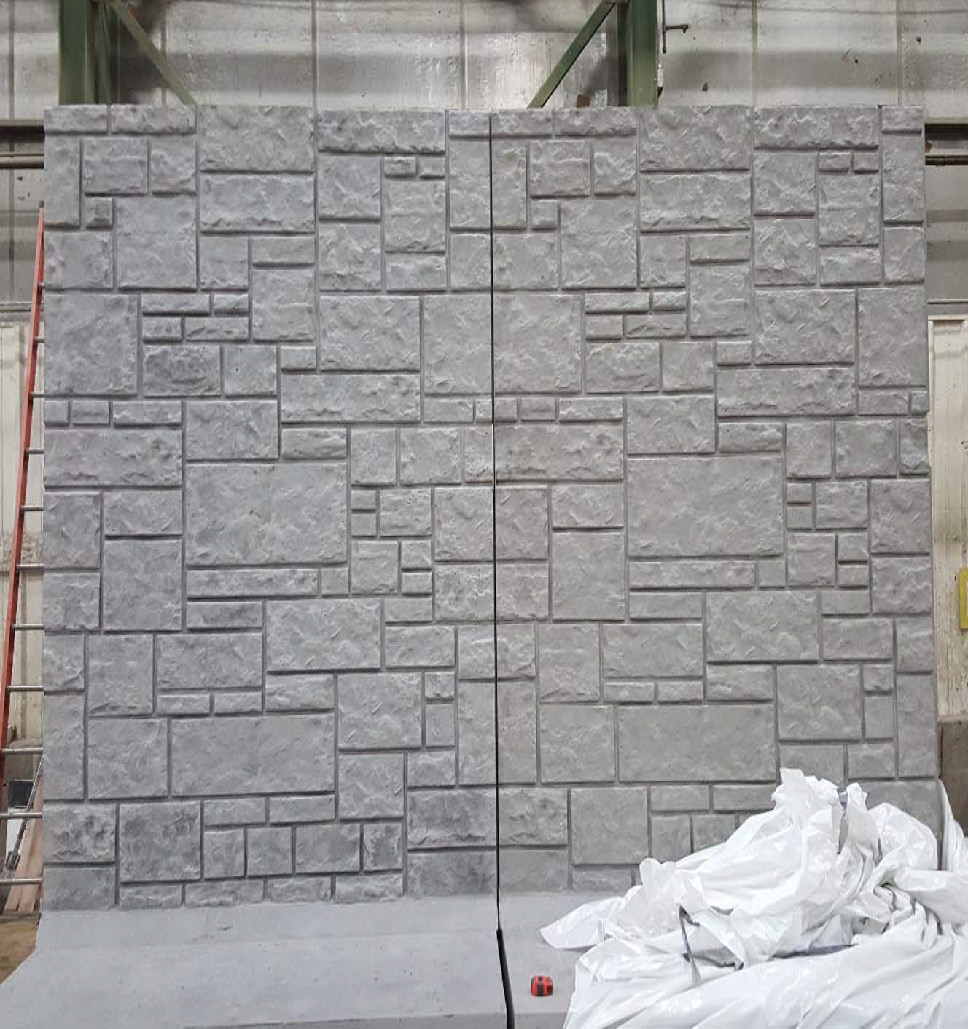
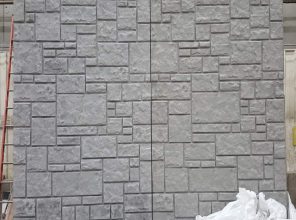
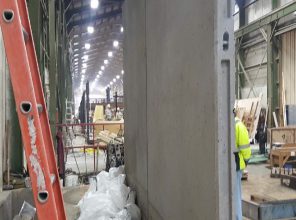
The MTA is happy to announce that sound wall manufacturing for the LIRR Expansion Project has begun at the Fort Miller precast concrete plant in Greenwich, NY. Using an environmentally-conscious New York State-based manufacturing company furthers the project’s commitments to regional jobs as well as sustainability. The benefits of using…
The LIRR Expansion Project’s Science, Technology, Engineering and Math (STEM) and Safety Educational Program is a collaborative effort with schools and other education organizations along the project corridor. To foster relationships with schools and students along the project corridor, as well as to inspire interest in the LIRR Expansion Project,…
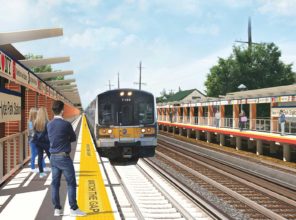
The project calls for the construction of a third track along a 9.8-mile stretch of the railroad’s heavily traversed Main Line corridor between the Floral Park and Hicksville train stations, and the elimination of the seven street-level train crossings along its route, among other benefits. These crucial infrastructure improvements would maximize the benefits of complementary LIRR projects, such as East Side Access to Manhattan and a second track from Farmingdale to Ronkonkoma. Every Long Islander stands to benefit from the new Main Line third track, which will improve reliability, frequency, and on-time service; provide new mass transit alternatives to driving into New York City; improve traffic, safety and noise conditions in communities with street level grade crossings; reduce noise levels along the tracks where retaining walls and sound attenuation walls would be installed; add commuter parking and enhance train stations in the project corridor.
If we do nothing, traffic in this corridor is expected to increase more than 25 percent over the next 25 years. With improved LIRR service, elimination of street-level grade crossings and additional mass transit options for Long Island, we can reduce traffic congestion, thus reducing greenhouse gas emissions and improving air quality.
Long Island needs to leverage its mass transit infrastructure to attract new investment, create additional jobs, strengthen real estate values, and grow its economy to ensure a stable and prosperous future for the Island.
With a third track, the LIRR will be able to more reliably run more trains on the Main Line during morning and evening peak periods, improve on-time performance, and provide an alternate path for trains in the event of a broken-down train, blocked track due to fallen trees or other unexpected service disruptions. All this will result in more frequent and reliable service, including expanded options for off-peak travel.
When the independent research organization, Long Island Index, studied the potential benefits of a third track, it concluded the project would improve mobility on Long Island and benefit the regional economy.
Long Island-based businesses would find it easier to attract and retain employees, especially for specialized industries such as education, biotechnology, and the health sciences; the lifeblood of the Island’s economic health. Colleges and universities would also be more attractive to area students, who would be more likely to stay on Long Island to live and work after graduation.
Portions of the records have been redacted or withheld in their entirety under section 87(2)(a) as the information is specifically exempted from disclosure by state or federal statute. [Including, but not limited, to 49 USC §40119 and by extension 49 CFR, Part 15.
Portions of the records have been redacted or withheld under section 87(2)(b) on the ground that disclosure of the information would constitute an unwarranted invasion of personal privacy under the provisions of Public Officers Law section 89(2).
Portions of the records have been redacted or withheld under section 87(2)(d) as the information constitutes trade secrets or was submitted to an agency by a commercial enterprise or derived from information obtained from a commercial enterprise and which if disclosed would cause substantial injury to the competitive position of the subject enterprise.
Portions of the records have been redacted or withheld under section 87(2)(f) on the ground that disclosure of the information could endanger the life or safety of any person.
Portions of the records have been redacted or withheld under section 87(2)(i) on the ground that disclosure would jeopardize the capacity of an agency or an entity that has shared information with an agency to guarantee the security of its information technology assets, such assets encompassing both electronic information systems and infrastructures.
Final version as of January 8, 2018
Appendices by Chapter
A. Front Matter
This Foreword summarizes changes to the Proposed Project since the DEIS was released, the additional analyses contained in the FEIS, and the structure of the FEIS document.
The Executive Summary provides an overview of the environmental analyses conducted in the FEIS and summarizes the principal conclusions and commitments.
D. Chapters
E. Appendices